
A Re-encounter with Nuriddin Djuraev: A Master of the Living Heart at the Photo Gallery of Bukhara


"True masters of the heart are rare—those who wed themselves to a place, body and soul, until their destiny and the earth beneath them are one."
Returning to Bukhara feels less like a journey and more like a homecoming. I yearn to wander its labyrinthine veins, absorbing the ancient energy that radiates from this nearly untouched Sufi sanctuary. It is my city—a place that whispers a profound sense of belonging to my soul. This time, I am here to meet a dear friend, Nuriddin Djuraev, a renowned photographer whose lens has been honored by UNESCO and the UNDP, but whose greatest tribute remains the silent reverence of his subjects.

Born in Bukhara in 1960, in the cradle of Uzbek culture, Nuriddin’s bond with the camera began early, fueled by the twin fires of art and history. "In my youth," he tells me as we stand amidst the shadows and highlights of the Bukhara Photo Gallery, "I dreamed of the silver screen, of being a cinematographer. That cinematic longing led me to photography as a high art. I chose the documentary path because reality, in its rawest form, is my greatest muse."
A Journey Through the Veil of Time

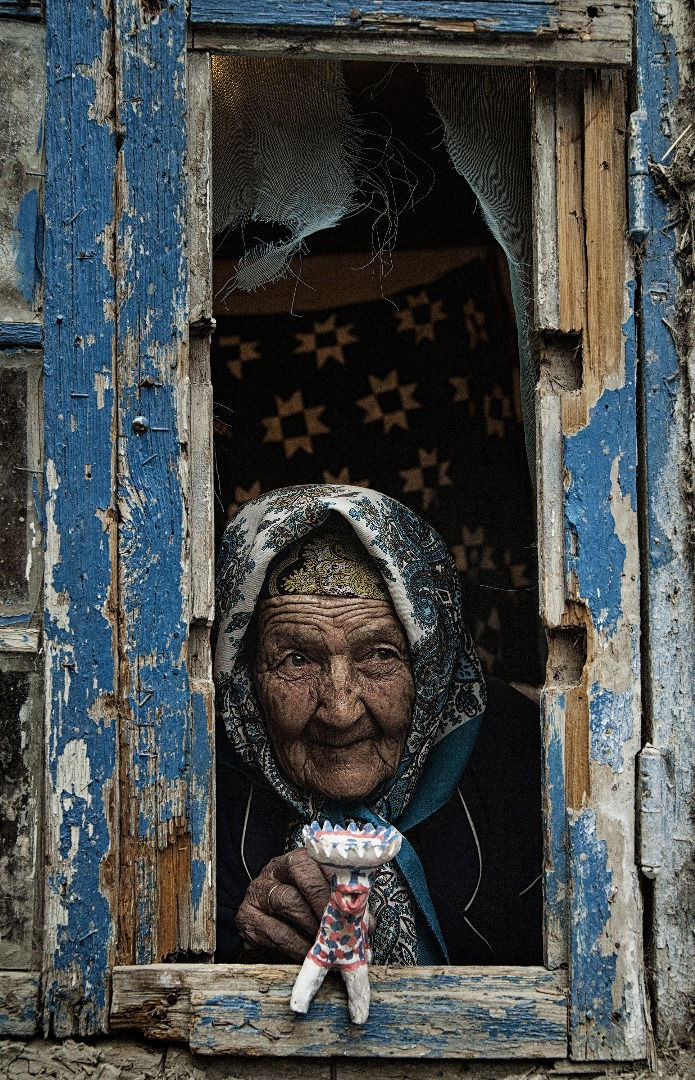
Whether capturing the stoic grace of historical monuments or the fleeting gestures of a villager, Nuriddin’s work is a bridge between worlds. His photographs invite us on a dual pilgrimage: a journey to the present and a haunting voyage into the past. He possesses a rare alchemy—the ability to capture the ancient traditions of Turkestan within the pulse of modern Uzbekistan. In a world of rapid growth and digital noise, his images remain a sanctuary for the timeless.
Nuriddin speaks with reverence of Max Penson, the Soviet-era visionary who documented the industrial transformation of Uzbek life. Yet, his voice softens when he mentions his mentor and friend, the late Master Shavkat Boltaev. "Birds of a feather flock together," the proverb goes, and in Nuriddin’s eyes, one sees the same profound love for his roots that defined Boltaev’s legacy. To him, their work is not merely photography; it is a "unique and unusual" testament to the spirit.
The Poetry of Light and Shadow

Sitting in his gallery over a steaming cup of tea, the world outside seems to fade. "In 1974, I photographed my classmates," he recalls, a nostalgic smile playing on his lips. "Thirty or forty years ago, we breathed life into photos manually in the darkroom. I have always sought the truth of the moment. Sometimes I seek the subject, but often, the subject finds me."
I find myself drawn to his black-and-white collection—the "colors of memory." Nuriddin explains, "Until the late nineties, black and white was our language. To me, it is more real, more honest. Whether it is joy or sadness, I photograph the people of my region because their emotions are the heartbeat of my work."
One masterpiece, "Winter in Gaukushon," holds me captive. It depicts the 16th-century complex and the 12th-century Khoja-Zaynudin Mosque, named for a revered Sufi saint. In this frame, captured in 2003, Bakhowuddin Street is draped in a shroud of virgin snow. The flakes seem to suspend in mid-air, a dance of light and shadow choreographed by a master. "This mosque, one of our oldest, wears a unique charm in winter," Nuriddin whispers. "It remains one of my most cherished memories."

Souls Captured in Color
My gaze shifts to a portrait of a young Lyuli (Gypsy) boy. If the winter scenes are about silence, this color portrait is a symphony. The boy’s eyes—wide, bright, and brimming with hope—capture the very essence of a people. The Mugat Ghorbati have wandered Central Asia since before the time of Tamerlane, arriving from the Indian subcontinent in the 14th century. In Uzbekistan, they remain a vibrant minority, fiercely guarding the traditions Nuriddin so admires. "Their weddings, their way of life... it is a world of its own," he says. "When I see their joy, I cannot help but capture it."


Finally, I encounter the "Lady of Surkhandarya." In the southeast, near the Afghan border, lies a land of vibrant silk, intricate embroidery, and ancient cotton. In this 2004 photograph from Boysun, a woman spins yarn in a rhythmic ritual that has remained unchanged for centuries. It is a portrait of grace, 300 kilometers from Bukhara, yet intimately connected by the thread of Uzbek identity.

An Eternal Legacy
Nuriddin Djuraev is more than a photographer; he is a guardian of the Uzbek soul. As I prepare to leave the quiet sanctuary of his gallery, he speaks optimistically of the new generation—talented artists like Bekhzod Boltaev and Zilola Saidova.
There is no doubt that Nuriddin’s work is a gift to the future. His commitment to preserving the ephemeral beauty of tradition ensures that the "journey to the past" will always be available to those seeking to understand the present. He has not just photographed Uzbekistan; he has loved it into focus.



Comments